Table of Contents
ToggleMolecular Sieve for Air Separation Industry
Traditional air separation technology relies on cryogenic distillation, separating air by cooling it to extremely low temperatures. While this allows for large-scale production, it suffers from limitations such as high energy consumption, slow start-up, and poor flexibility. With advancements in adsorption technology and the emergence of new adsorbents, adsorption processes are now widely used in cryogenic air separation devices and atmospheric pressure swing adsorption (PSA) air-to-oxygen and nitrogen generation equipment. Utilizing molecular sieves to produce oxygen and nitrogen from air at room temperature via PSA has also become another commonly used air separation method.
Molecular Sieve Working Principle
Molecular sieves are aluminosilicates with a uniform microporous structure. Their separation effect is based on the sieving effect and selective adsorption of molecular sieves. They only allow molecules with a kinetic diameter smaller than their pore size to enter and be adsorbed. For molecules of similar size (such as oxygen and nitrogen), the molecular sieve adsorbent particles are distinguished by the electric field force on the pore surface (stronger effect on polar molecules) or differences in diffusion rate.
Main Molecular Sieve in the Air Separation Industry
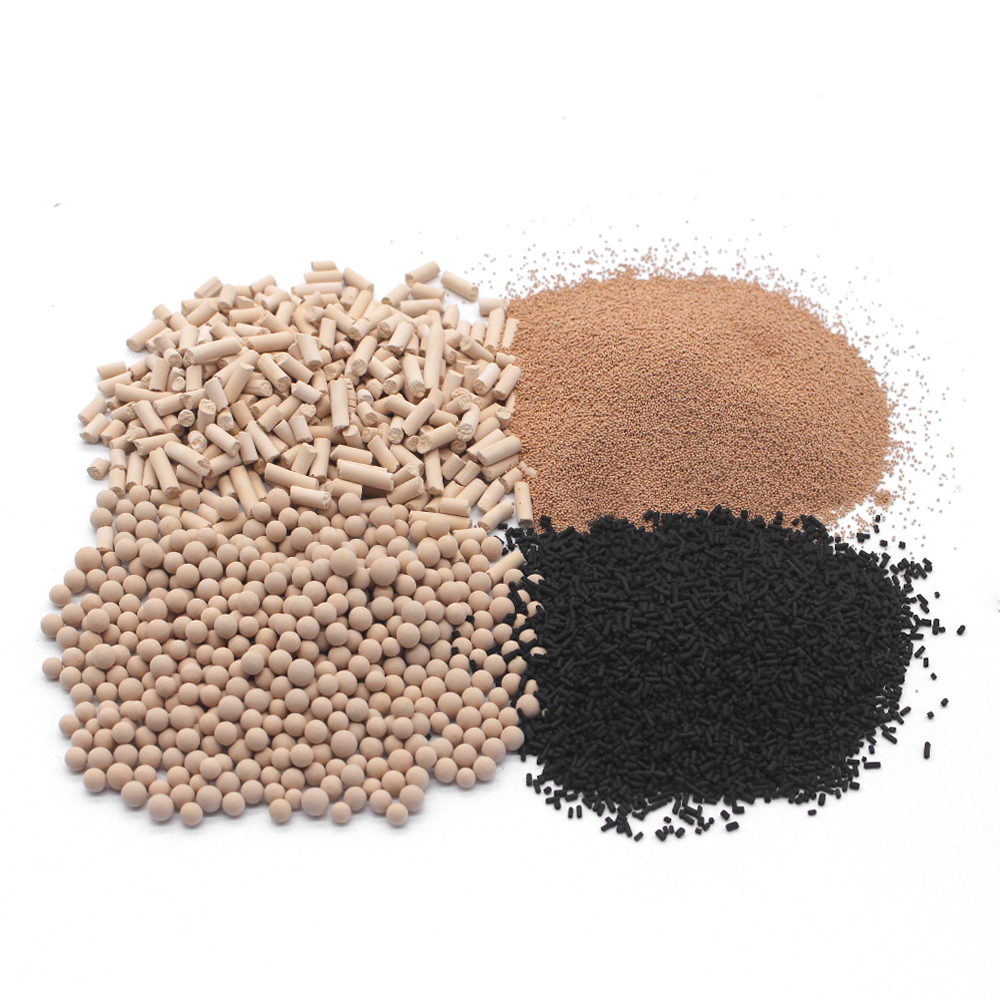
13X molecular sieve, with a pore size of 10 angstroms, capable of adsorbing any molecule with a diameter smaller than 10 angstroms. It is used for purifying raw gas in air separation devices, simultaneously removing water, carbon dioxide, and some hydrocarbons.
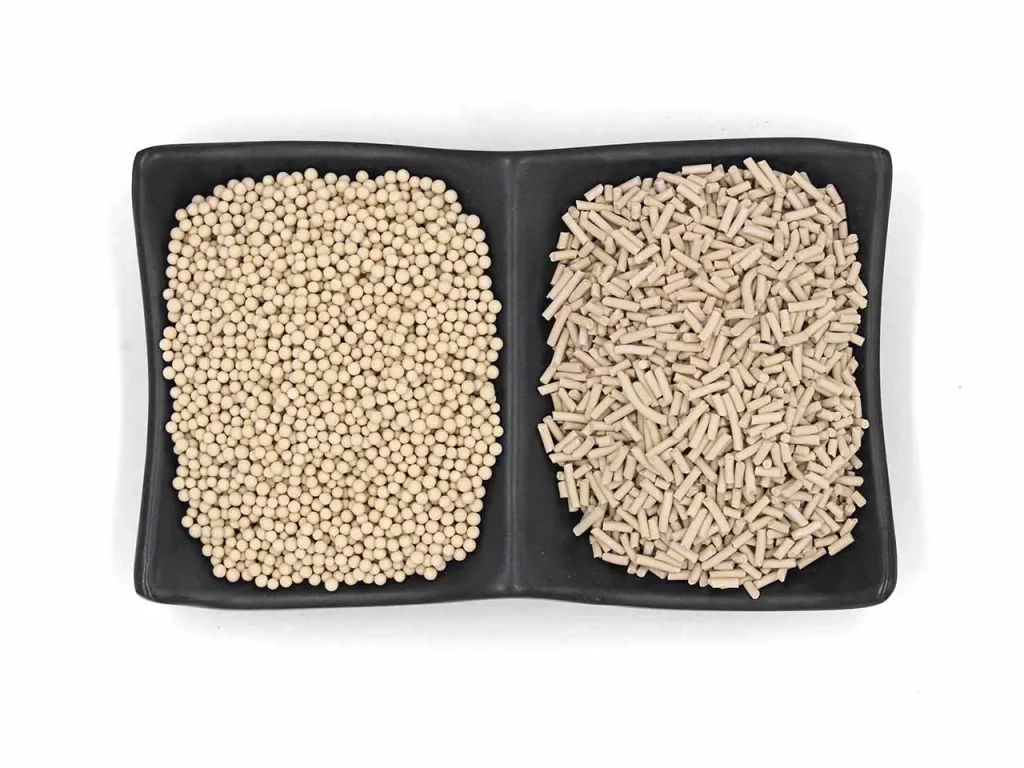
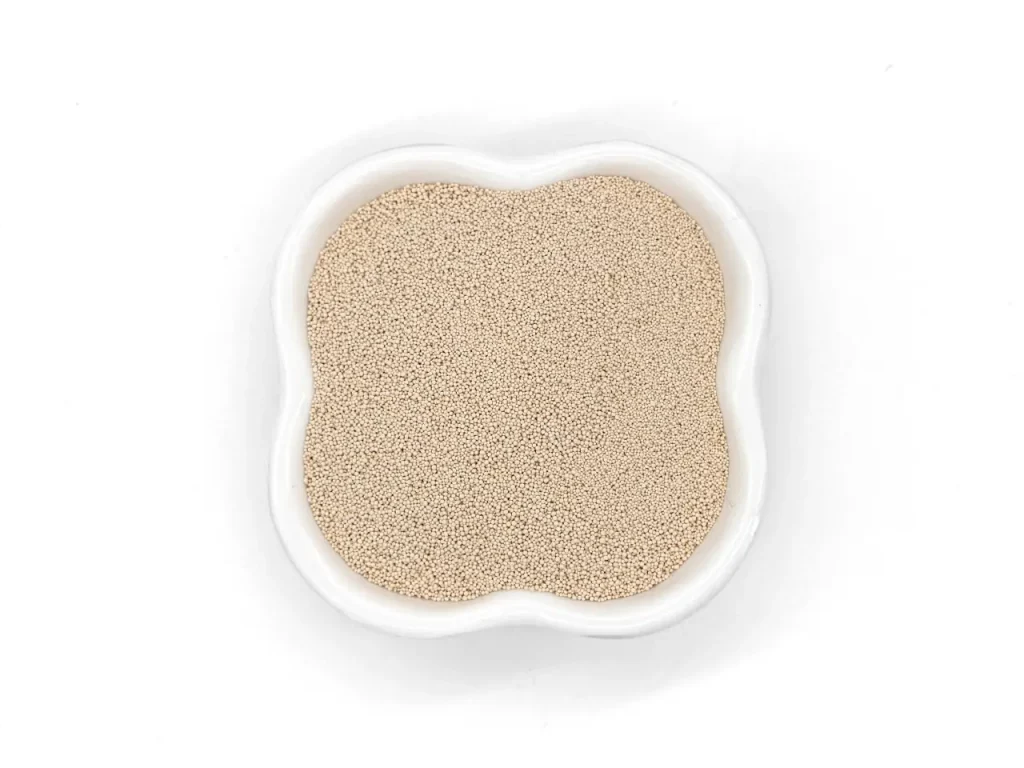
13X HP molecular sieves and lithium molecular sieves are specialized molecular sieves for oxygen production. Air is drawn into the molecular sieve via pressure swing adsorption (PSA) using a compressor. The zeolite molecular sieve adsorbs nitrogen, carbon dioxide, and other waste gases from the air, leaving only oxygen which enters the collection bottle. High-pressure purification is then performed through a high-pressure valve to raise the oxygen generator’s concentration to the standard before outputting oxygen. Xintao’s 13X HP and lithium molecular sieves have high nitrogen adsorption capacity, excellent nitrogen-oxygen separation coefficient, and high oxygen concentration, reaching up to 96%.
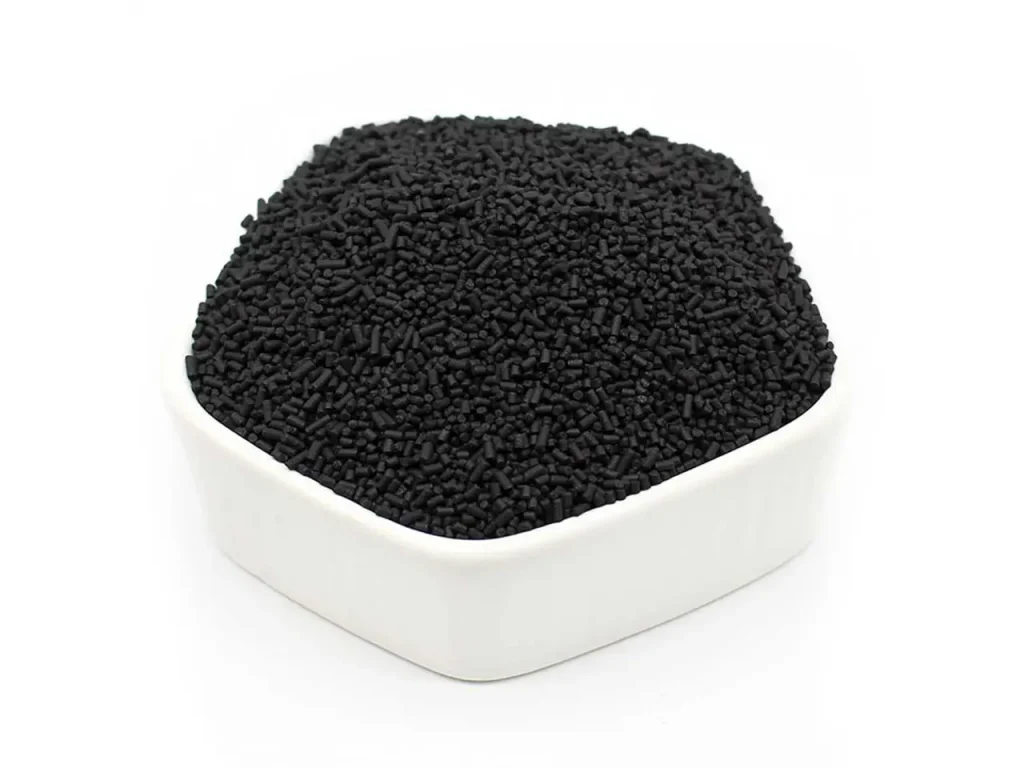
Carbon molecular sieves are specialized molecular sieves for nitrogen production, using pressure swing adsorption (PSA) to separate oxygen and nitrogen from the air. Xintao’s carbon molecular sieves offer high nitrogen production capacity and high nitrogen recovery rate, with a nitrogen concentration as high as 99.999%, suitable for various models of pressure swing adsorption nitrogen generators.

Contact Xintao
If you have any question, please contact us!