Table of Contents
ToggleWhy Does Carbon Molecular Sieve Pulverize?
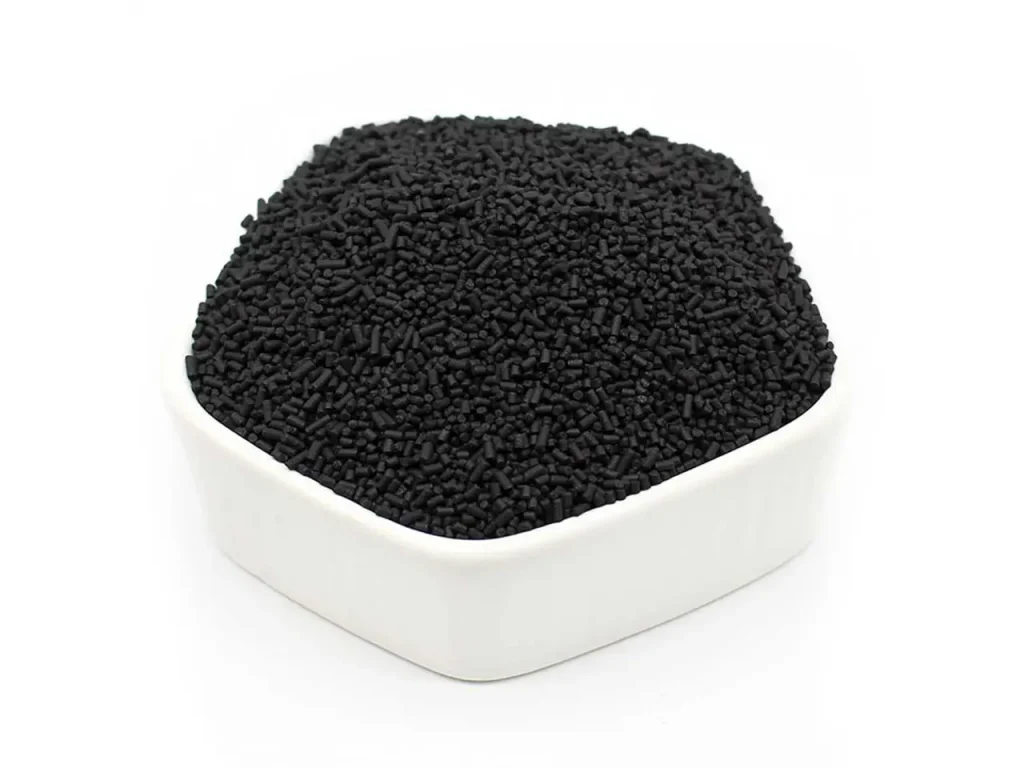
Carbon molecular sieve (CMS) is the core functional material of pressure swing adsorption (PSA) nitrogen generators. It selectively adsorbs components such as oxygen and carbon dioxide from the air to achieve nitrogen separation and purification. However, during long-term operation, carbon molecular sieve pulverization is a common performance degradation problem, leading not only to decreased nitrogen purity and increased equipment energy consumption, but also potentially causing malfunctions such as excessive bed resistance and pipeline blockage. This article will analyze the causes of carbon molecular sieve pulverization from multiple perspectives and propose targeted solutions.
Core Causes of Molecular Sieve Pulverization
1. Airflow Dynamics Impact and Uneven Distribution
The periodic switching of the PSA nitrogen generator (pressure adsorption → depressurization desorption) is one of the main causes of pulverization. When the airflow velocity is too high at the moment of switching (e.g., exceeding 0.5 m/s), or the airflow distributor is poorly designed (e.g., uneven openings, blockage), it will cause localized erosion of the bed surface. Molecular sieve particles undergo intense friction and collision under high-speed airflow, leading to long-term accumulation, particle wear, and fragmentation, forming dust. Furthermore, voids created by improper bed packing cause particles to undergo fluidization in the airflow, further exacerbating wear.
2. Fatigue Damage from Pressure Cycling
During the PSA process, the pressure inside the adsorption tower fluctuates frequently between 0.6~0.8 MPa (pressurization) and 0.05~0.1 MPa (depressurization). If the pressurization rate is too rapid (e.g., exceeding 0.2 MPa/min) or the backflushing airflow is too strong during depressurization, the molecular sieve particles will experience instantaneous stress due to the internal and external pressure difference, resulting in microcracks inside the particles. Repeated pressure cycling causes these cracks to propagate, ultimately leading to particle breakage and pulverization. This fatigue damage is particularly pronounced when the system pressure is unstable (e.g., frequent start-stop of the air compressor).
3. Raw Material Air Contamination: Moisture and Oil
Carbon molecular sieves are extremely sensitive to moisture and oil, which are significant external factors contributing to pulverization:
– Moisture Contamination: If moisture in the raw material air is not effectively removed (e.g., due to refrigerated dryer failure or filter blockage), it will be adsorbed by the molecular sieve. Water molecules are highly polar, preferentially occupying the microporous structure, causing the particles to absorb moisture and expand. When the internal stress exceeds the mechanical strength, the particles rupture. Furthermore, moisture may react with residual impurities (such as ash) in the nitrogen molecular sieve, damaging its skeletal structure.
– Oil Contamination: Leaking lubricating oil from the air compressor or a malfunctioning pre-filter can lead to oil entering the adsorption tower. Oil will clog the micropores of the zeolite molecular sieve, reducing adsorption performance, and causing particles to clump together, eventually pulverizing under the impact of airflow.
4. Effects of Abnormal Temperature
Excessively high raw material air temperatures (e.g., exceeding 40°C) will accelerate the aging of the molecular sieve: High temperatures will damage the carbon skeleton structure of the molecular sieve, reducing the mechanical strength of the particles; simultaneously, high temperatures will decrease adsorption capacity, requiring increased airflow velocity to maintain nitrogen purity, further exacerbating wear. Furthermore, in low-temperature environments (such as below 0°C), moisture easily condenses into ice, clogging the gaps in the bed and causing uneven airflow distribution, indirectly leading to pulverization.
5. Molecular Sieves' Own Quality and Packing Issues
– Quality Defects: Some carbon molecular sieves, due to manufacturing processes (such as insufficient molding pressure, improper binder ratio), have low particle strength and uneven porosity distribution, making them prone to breakage during use.
– Improper Packing: Failure to compact in layers during packing, dumping particles from a height, or the introduction of foreign matter can lead to uneven bed density, forming local voids and causing particle movement and friction.
In summary, the root cause of carbon molecular sieve pulverization can be attributed to the intertwining and accumulation of physical wear, chemical corrosion, and structural fatigue under the harsh cyclical operating conditions of PSA, ultimately leading to performance degradation.

Contact Xintao
If you have any question, please contact us!