Table of Contents
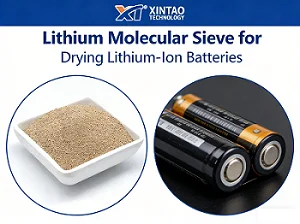
ToggleLithium Molecular Sieve for Drying Lithium-Ion Batteries
With the rapid development of electric vehicles and large-scale energy storage, the requirements for energy density, cycle life, and safety of lithium-ion batteries are becoming increasingly stringent. However, for lithium-ion batteries, excessive water in the non-aqueous electrolyte can lead to adverse consequences, including electrolyte deterioration, high internal pressure, high internal resistance, high self-discharge, low capacity, low cycle life, and battery leakage. Therefore, the removal of water from the non-aqueous electrolyte in lithium-ion batteries is crucial.
Against this backdrop, lithium molecular sieves, based on their unique ion exchange capacity and regular pore structure, can precisely and efficiently remove water (H2O), sodium ions (Na+), and hydrogen fluoride (HF) from non-aqueous electrolytes. This purifies the internal environment of the battery at its source, providing a revolutionary material solution for building next-generation high-performance, high-safety lithium-ion batteries.
Why Use Lithium Molecular Sieve
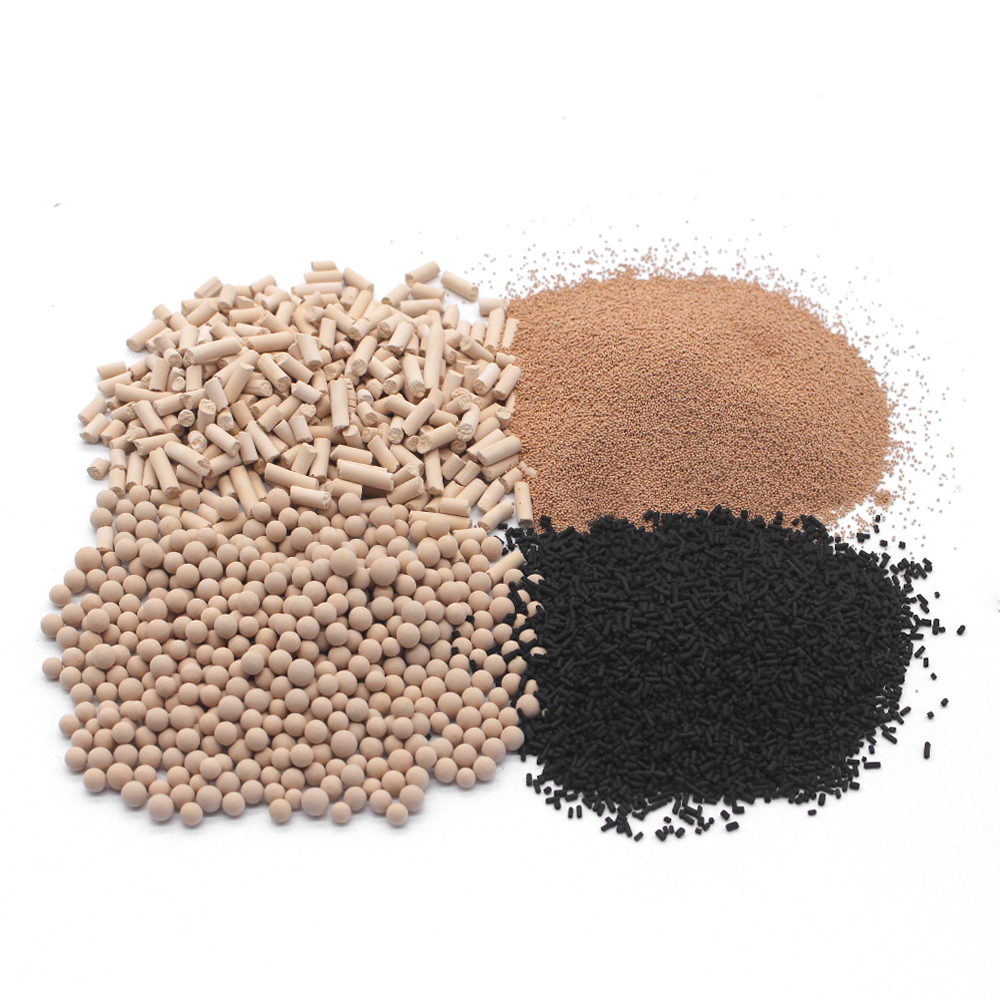
Lix molecular sieve is essentially products made by replacing the original cations (such as Na+, K+) in ordinary type A (e.g., 3A, 4A, 5A) or type X zeolite molecular sieves with lithium ions (Li+) through an ion exchange process. For the dehydration treatment of non-aqueous electrolytes in lithium-ion batteries, if conventional molecular sieves are used, the sodium ions will undergo ion exchange with the lithium ions in the non-aqueous electrolyte. The exchanged sodium ions will affect the lithium intercalation process at the positive and negative electrodes and the transport of lithium ions, thus preventing the lithium-ion battery from charging and discharging normally.
Working Principle
Lithium zeolite molecular sieve can utilize their sophisticated ion exchange properties and molecular sieving capabilities to directly treat non-aqueous electrolytes for dehydration, sodium removal, and hydrogen fluoride removal. They can also be mixed with electrode materials to form electrodes, controlling the moisture content of the assembled lithium-ion battery while effectively removing hydrogen fluoride generated during charging and discharging. Its evolution from passively removing impurities to actively integrating into key battery components, enabling dynamic and continuous microenvironment management, marks a significant shift in battery material design philosophy from “structural construction” to “environmental regulation.”
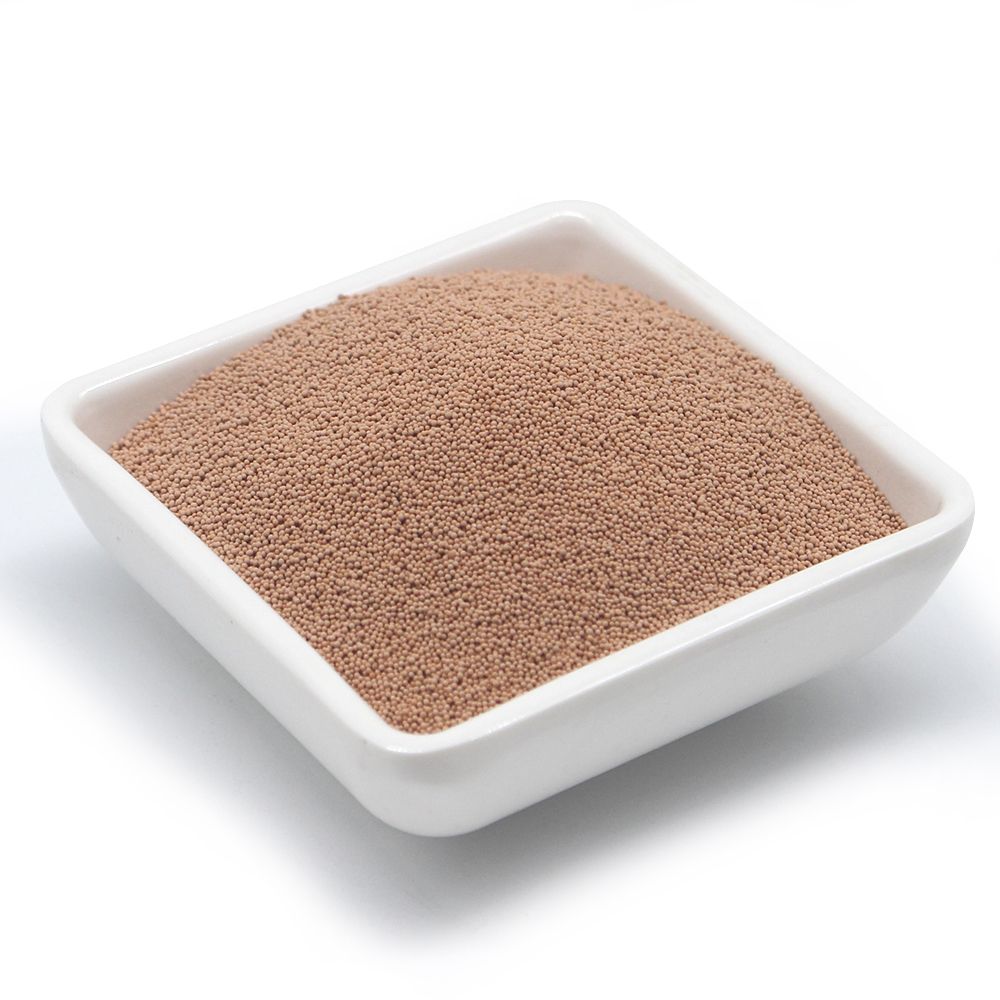
Xintao Lithium Molecular Sieve
Besides its use in lithium batteries, Xintao Lisx molecular sieves are primarily used for oxygen production. They feature a high nitrogen-oxygen separation coefficient, large nitrogen adsorption capacity, high oxygen concentration, and long service life. With an oxygen concentration reaching up to 96%, they are widely used in industrial oxygen generators, household and medical oxygen production.
Contact Xintao
If you have any question, please contact us!