Table of Contents
ToggleCarbon Molecular Sieves: What are the regeneration methods?
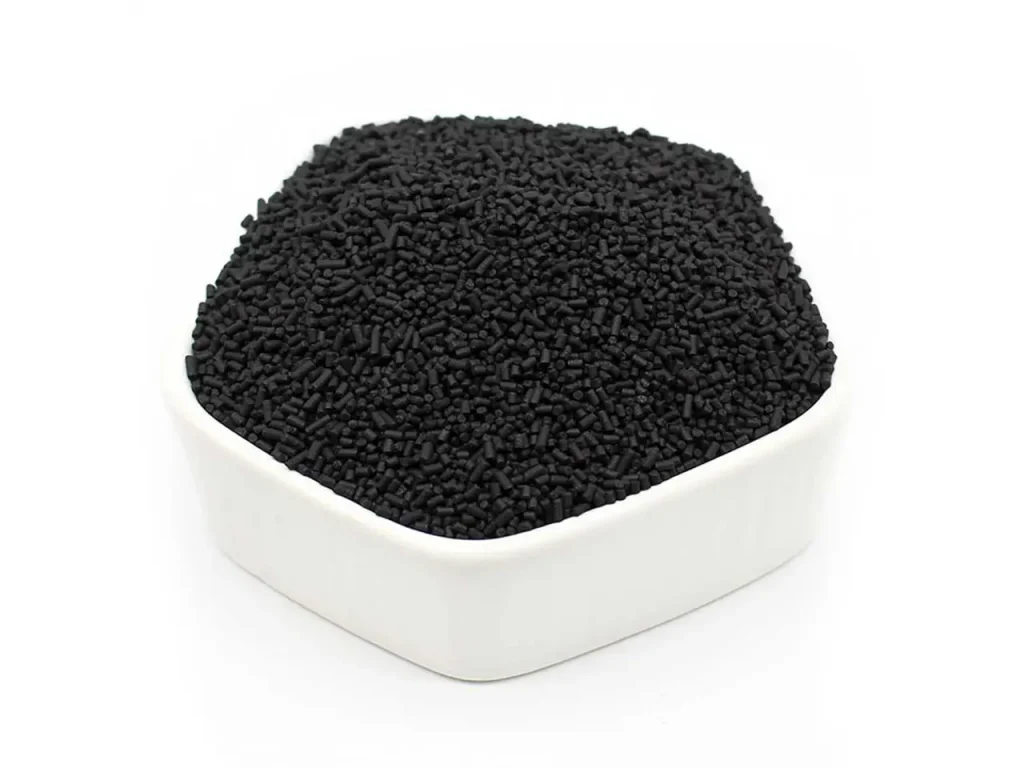
Carbon molecular sieves (CMS) are the core adsorbent in pressure swing adsorption (PSA) nitrogen generators. They selectively adsorb impurities such as oxygen and carbon dioxide from the air to achieve nitrogen separation and purification. Because the adsorption process is reversible, carbon molecular sieves need to be regenerated after adsorption saturation to restore their adsorption capacity and maintain the continuous operation of the nitrogen generator.
The essence of regeneration is to break the adsorption equilibrium, causing the adsorbed impurities to desorb from the micropores of the molecular sieve. Common regeneration methods are based on pressure changes and purging-assisted techniques, which are elaborated below:
I. The Basis of Regeneration: The Adsorption-Desorption Cycle of PSA Nitrogen Generation
The core logic of PSA nitrogen generation is that the adsorption capacity of carbon molecular sieves for oxygen increases with increasing pressure and decreases with decreasing pressure. In a typical two-tower PSA system, one tower operates under pressure adsorption (usually 0.6~1.0 MPa), where the carbon molecular sieve preferentially adsorbs O₂, CO₂, H₂O, etc., producing high-purity N₂. The other tower is in regeneration mode, desorbing the adsorbed impurities by reducing pressure or other means, preparing for the next round of adsorption. The regeneration process directly determines the lifespan of the carbon molecular sieve and the operating efficiency of the nitrogen generator.
II. Mainstream Regeneration Methods and Technical Details
1. Atmospheric Desorption Regeneration
Principle: When the adsorption tower reaches saturation, the inlet valve is closed and the exhaust valve is opened, reducing the pressure inside the tower from the adsorption pressure to atmospheric pressure (1 atm). At this time, due to the pressure reduction, the oxygen in the micropores of the carbon molecular sieve shifts the adsorption equilibrium towards desorption, and oxygen is released from the micropores and discharged through the exhaust port.
Process: This typically involves two steps: “pressure equalization and desorption” and “atmospheric exhaust”. Pressure equalization and depressurization refers to introducing a portion of the high-pressure gas from the adsorption tower into another tower in the final stage of regeneration. This recovers energy and slowly reduces the pressure; subsequently, the exhaust valve is opened to discharge the remaining gas (including desorbed oxygen).
Advantages and disadvantages: The advantages are simple equipment, no need for an additional vacuum system, and low cost; the disadvantage is that regeneration is not thorough enough, and some oxygen remains in the micropores of the molecular sieve under normal pressure, which will lead to a decrease in adsorption efficiency over time. It is suitable for scenarios where the purity requirement of nitrogen is not high (e.g., 95%~99%).
2. Vacuum Desorption Regeneration
Principle: Based on normal pressure depressurization, a vacuum pump is introduced to evacuate the pressure inside the regeneration tower to a negative pressure (usually -0.06~-0.08MPa). The negative pressure environment further reduces the adsorption force of oxygen on the surface of the carbon molecular sieve, allowing the residual oxygen to be desorbed more thoroughly, significantly improving the regeneration effect.
Process: After adsorption saturation, pressure is first equalized and reduced, then a vacuum pump is started to evacuate the column, reducing the pressure to a set negative pressure value and maintaining this position for a period of time (usually 30-60 seconds) to allow complete oxygen desorption. After vacuum regeneration, the pressure inside the column needs to be restored to the adsorption pressure through pressure equalization and pressurization.
Advantages and Disadvantages: The advantages are thorough regeneration, high utilization rate of carbon molecular sieves, and nitrogen purity reaching over 99.99%; the disadvantages are the need for an additional vacuum system, slightly higher equipment investment and energy consumption, making it suitable for industries requiring high-purity nitrogen (such as electronics and pharmaceuticals).
3. Purge-Assisted Regeneration
Principle: During pressure reduction or vacuum regeneration, dry product nitrogen (usually from another adsorption column) is introduced to backpurge the regeneration column. The purge gas not only removes the desorbed oxygen but also dilutes residual impurities in the column, accelerating the regeneration process and preventing impurities from accumulating on the molecular sieve surface.
Process: Purging typically occurs in the later stages of pressure reduction or during the vacuum phase. The purge gas flow rate is generally 10%–20% of the product gas flow rate, and the purging time is adjusted according to the column volume and purity requirements. Reverse purging ensures uniform regeneration of the molecular sieve bed and avoids localized adsorption saturation.
Key Details: The purge gas must be kept dry (dew point ≤ -40℃). Moisture content can cause “water poisoning” of the molecular sieve, reducing its adsorption capacity. Simultaneously, the purge flow rate needs to be controlled; excessive flow wastes product gas, while insufficient flow results in poor regeneration.
The regeneration of carbon molecular sieves is based on pressure reduction regeneration, combined with vacuum or purging assistance, forming combined schemes such as atmospheric pressure regeneration, vacuum regeneration, and purging regeneration. In practical applications, the choice should be made based on nitrogen purity requirements, cost budget, and operating environment: vacuum + purging regeneration is preferred for high purity requirements; atmospheric pressure + purging regeneration can be selected for cost-sensitive scenarios. A reasonable regeneration strategy can not only improve nitrogen production efficiency but also extend the service life of the carbon molecular sieve and reduce operating costs.

Contact Xintao
If you have any question, please contact us!